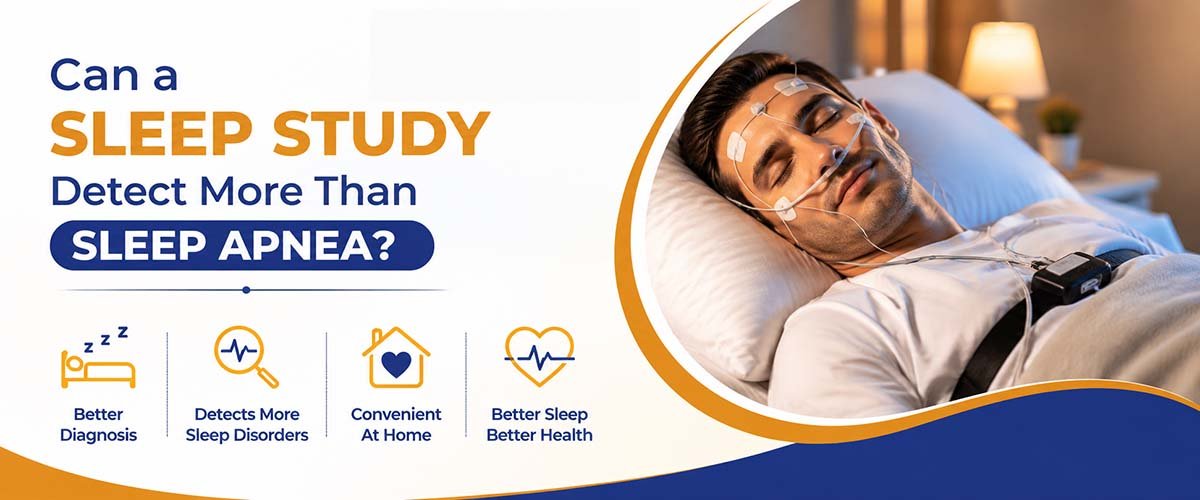
Can a Sleep Study Detect More Than Sleep Apnea
Sleep studies are often associated with diagnosing sleep apnea, but they provide much more than that. A comprehensive sleep study, also known as polysomnography (PSG), evaluates your brain activity, breathing, heart rate, oxygen levels, muscle movements, and sleep patterns throughout the night. This detailed information helps sleep specialists identify a variety of sleep-related and neurological disorders that may affect your health and quality of life.
If you experience poor sleep, excessive daytime sleepiness, frequent awakenings, or unusual movements during sleep, a sleep study can uncover the underlying cause—even if sleep apnea is not the problem.
What Is a Sleep Study?
A sleep study is a painless, non-invasive overnight test performed in a sleep laboratory or, in some cases, at home using portable monitoring equipment. During the study, sensors are placed on your body to record important physiological activities while you sleep.
The test typically monitors:
-
 Brain waves (EEG)
-
Eye movements
-
Heart rate and rhythm (ECG)
-
Oxygen saturation
-
Breathing patterns
-
Muscle activity
-
Body movements
-
Snoring
-
Sleep stages
This comprehensive monitoring allows doctors to diagnose multiple sleep disorders with greater accuracy.
Sleep Disorders a Sleep Study Can Detect
1. Obstructive Sleep Apnea (OSA)
OSA occurs when the airway repeatedly becomes blocked during sleep, causing interrupted breathing, loud snoring, and reduced oxygen levels. A sleep study measures the frequency and severity of these breathing interruptions to determine appropriate treatment.
2. Central Sleep Apnea
Unlike obstructive sleep apnea, central sleep apnea occurs when the brain temporarily fails to send proper signals to the breathing muscles. A sleep study helps differentiate this condition from obstructive sleep apnea, which is essential because treatment approaches differ.
3. Restless Legs Syndrome (RLS) and Periodic Limb Movement Disorder (PLMD)
Some people experience repetitive leg movements during sleep that they may not even notice. These involuntary movements can disrupt sleep quality and cause daytime fatigue. A sleep study records muscle activity and limb movements to identify these disorders.
4. Narcolepsy
People with narcolepsy often experience excessive daytime sleepiness, sudden sleep attacks, and sometimes muscle weakness triggered by emotions (cataplexy). An overnight sleep study followed by a Multiple Sleep Latency Test (MSLT) helps diagnose narcolepsy accurately.
5. REM Sleep Behavior Disorder
Normally, the body's muscles remain temporarily inactive during REM sleep. In REM Sleep Behavior Disorder, this paralysis is absent, causing people to physically act out their dreams. A sleep study detects abnormal muscle activity during REM sleep and helps confirm the diagnosis.
6. Insomnia Evaluation
Although insomnia is primarily diagnosed through clinical history, a sleep study may be recommended when symptoms are severe or when another sleep disorder is suspected. It helps rule out hidden causes such as sleep apnea, limb movement disorders, or abnormal sleep architecture.
Why Early Diagnosis Matters
Untreated sleep disorders can affect much more than your night's rest. Poor sleep has been linked to high blood pressure, heart disease, diabetes, depression, impaired concentration, memory problems, and reduced workplace performance. Identifying the correct sleep disorder allows doctors to recommend targeted treatments that improve both sleep quality and overall health.
Who Should Consider a Sleep Study?
A sleep study may be recommended if you experience:
- Loud, persistent snoring
- Pauses in breathing during sleep
- Excessive daytime sleepiness
- Morning headaches
- Frequent nighttime awakenings
- Unusual movements during sleep
- Acting out dreams
- Difficulty staying asleep despite adequate sleep time
Seeking medical evaluation early can prevent long-term complications and improve your quality of life.
sleep study is far more comprehensive than many people realize. While it is the gold standard for diagnosing sleep apnea, it can also detect conditions such as central sleep apnea, narcolepsy, restless legs syndrome, periodic limb movement disorder, REM sleep behavior disorder, and other sleep-related abnormalities. If you consistently wake up feeling tired or notice unusual sleep symptoms, discussing a sleep study with a qualified sleep specialist may be the first step toward better sleep and better health.
 Book Appointment
 9999657722